


Activate
Combine the two-part system immediately before use to begin the controlled cure.
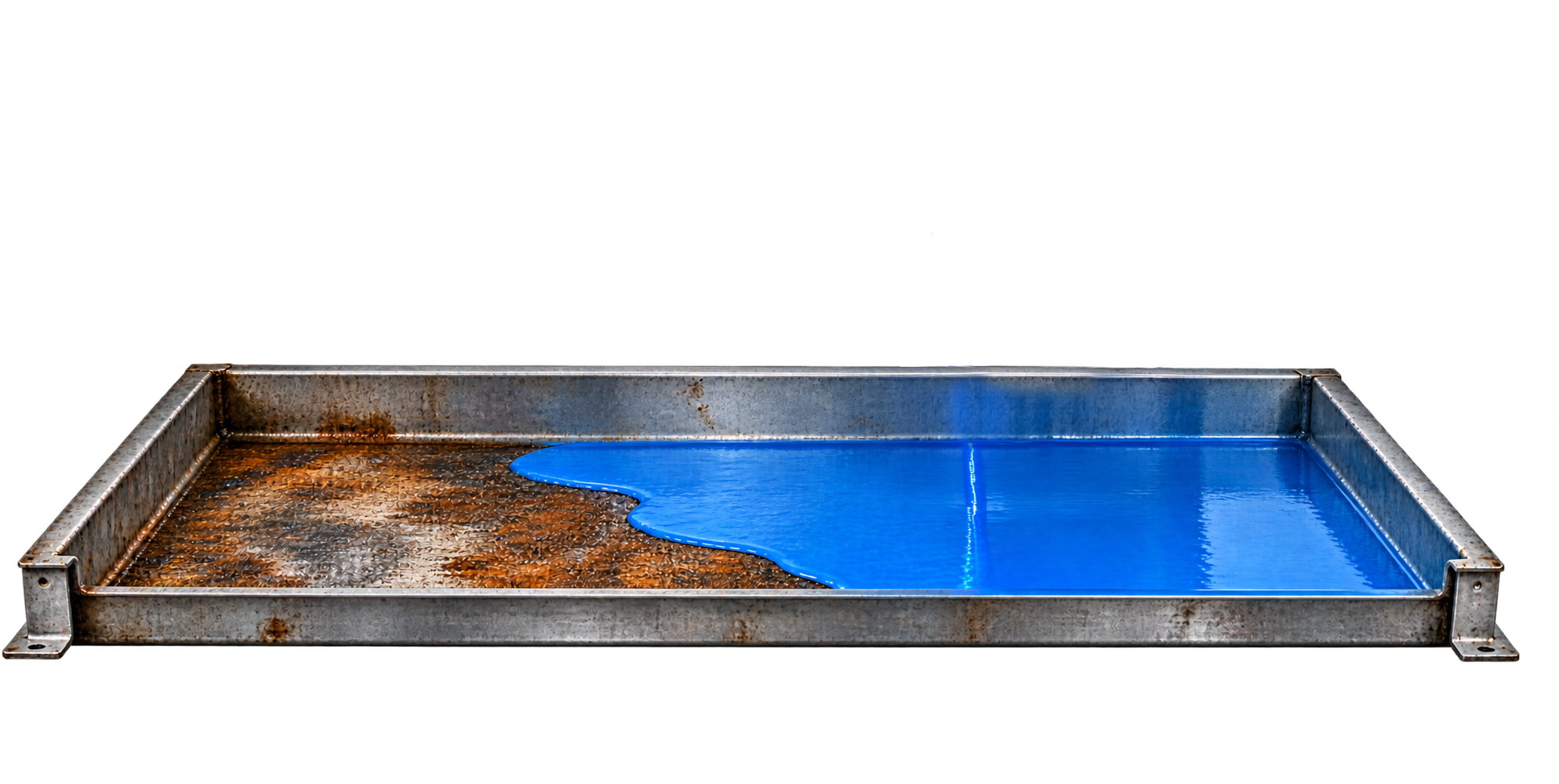
Pancrete flows across the prepared pan like a liquid, then hardens into a smooth, durable drainage surface—restoring failing condensate pans without replacing the unit.
Pancrete is mixed only when the prepared drain pan is ready. Its working flow finds pits and low points, then cures into a continuous layer built for wet, chemical-exposed HVAC environments.
Combine the two-part system immediately before use to begin the controlled cure.
The liquid moves across the pan, filling corrosion damage, pits, and uneven areas.
A smooth, chemical-resistant surface forms inside the existing drain pan.
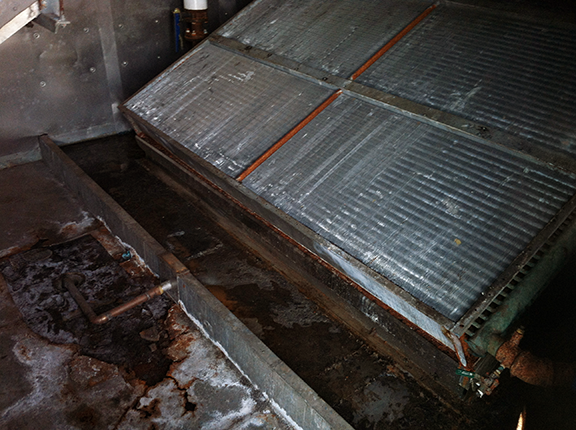
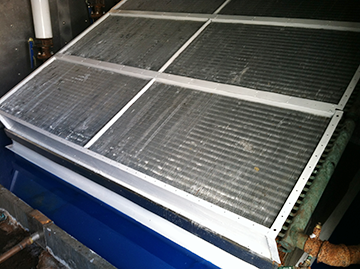
See a failing drain pan move through preparation, application, and the self-leveling Pancrete pour.
Temporary paints, tars, liners, and patches can crack or fail as moisture and cleaners continue to attack the surface. After repairs and preparation are complete, Pancrete forms a continuous new drainage layer that fills low areas and restores a level path for condensate.
The cured surface is engineered for continuous condensate exposure, common HVAC cleaning chemistry, and the practical demands of commercial maintenance.
Fills low areas to create a continuous, level drainage surface.
Resists common HVAC coil cleaners and system chemicals. Confirm compatibility for concentrated or prolonged exposure.
Suitable for continuous condensate and prolonged ponding, after full cure.
Creates a durable surface that supports consistent flow and easier maintenance.
Complete mechanical preparation and repairs first. Then use the three-product CRT workflow to prepare sound metal, protect the pan surfaces, and restore the horizontal wet-pan bottom.
Degreases and prepares sound metal after loose rust and failed material are removed.
Prepare the substrateForms a protective finish on prepared vertical, sloped, and curved surfaces and may be used beneath Pancrete.
Protect the panPours across the prepared horizontal wet-pan bottom to form the final self-leveling drainage layer.
Restore wet-service areasPancrete restores the horizontal wet-pan bottom while V570 protects prepared vertical, sloped, and curved surfaces.
Enter the inside length and width of the drain pan. The estimate uses Pancrete’s coverage rate of five square feet per gallon at a ¼-inch depth.
Field conditions vary. Corrosion, high spots, and valleys may increase material requirements. Confirm the final quantity with your distributor or Pancrete specialist.
Use the current technical sheet, illustrated instructions, and both component safety documents for complete preparation, mixing, application, curing, and handling guidance.
No. After the pan is repaired and properly prepared, Pancrete forms a continuous drainage surface across the horizontal wet-pan bottom.
No. Pre-stir Part B, then add all of Part B to all of Part A. Transfer the material between containers 20 times until uniform, and pour immediately.
Use Pancrete at a nominal ¼-inch depth on horizontal pan-bottom areas where condensate remains or ponding may occur. Use V570 on vertical and sloped areas that are not continuously submerged.
Confirm that the ambient air and prepared surface are both above 70°F before mixing. The optimum use range is 70–80°F, and cold or thin applications cure more slowly.
No. Current Pancrete, V570, Clean Bond, and the current layered CRT system are not fire rated.
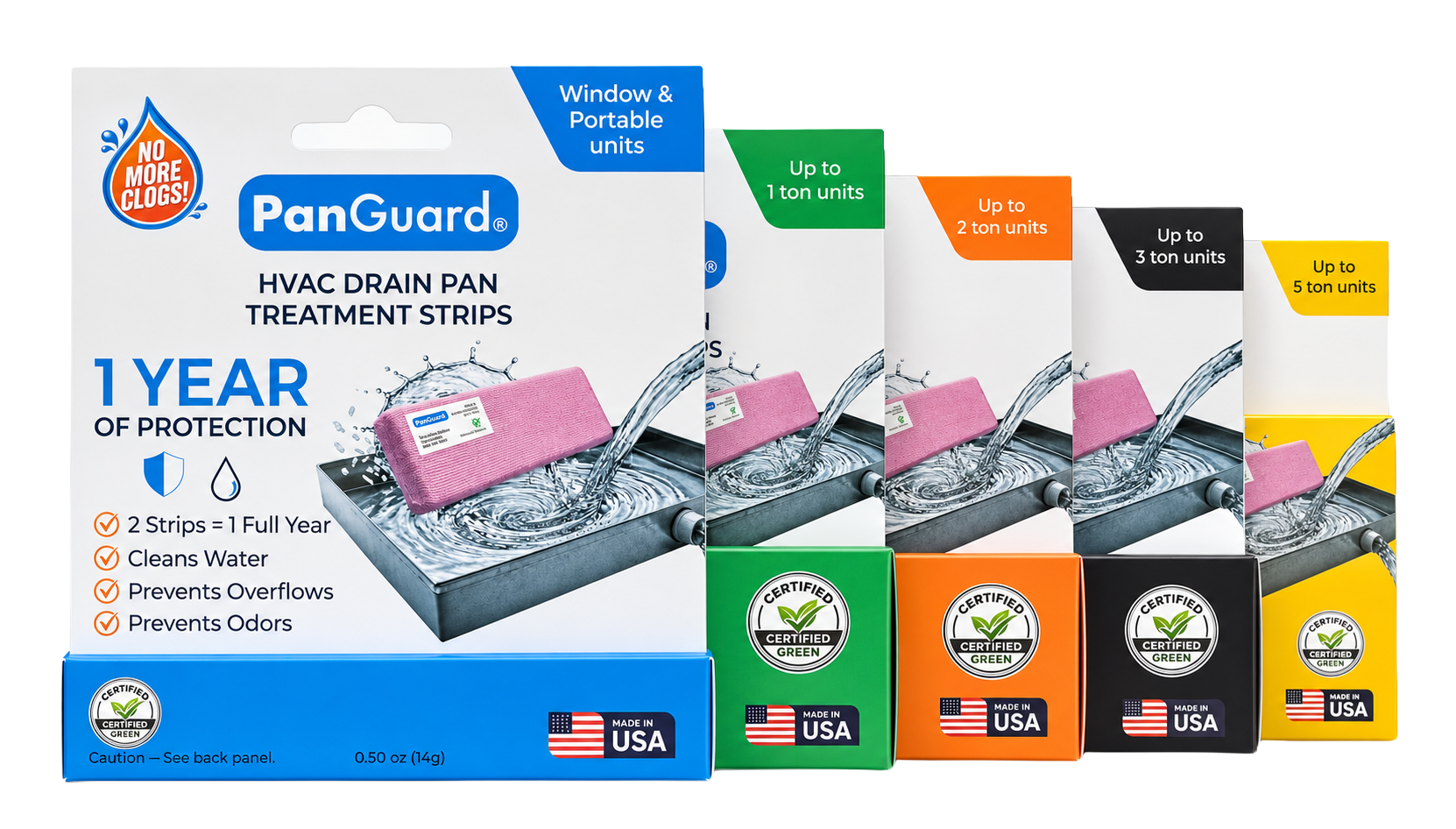
Once the drain-pan surface is restored, PanGuard supports cleaner HVAC drain pans and normal condensate drainage as part of a preventative-maintenance program.
Choose the correct PanGuard size based on system tonnage and follow all label directions.
Find your PanGuard size